Nepal Reverses Controversial Social Media Ban Following Deadly Protests Amidst International Outcry
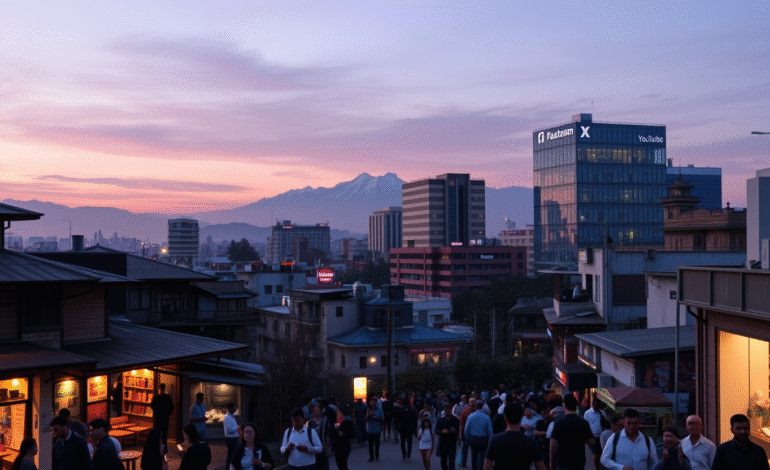
Nepal has reversed a controversial social media ban, following widespread public outcry and violent protests that left at least 19 people dead. The ban, which took effect last week, blocked access to 26 platforms including Facebook, Instagram, YouTube, and X, after foreign companies failed to register their operations in Nepal and appoint a local contact within the given timeframe.
On Monday, Communications and Information Technology Minister Prithvi Subba Gurung announced that the ban had been revoked due to public pressure. The decision came hours after thousands of people, many of them students in school uniforms, took to the streets across Nepal, demanding an end to the social media blackout.
The protests turned violent in several areas, resulting in the deaths and injuries of numerous demonstrators. According to local media reports, more than 100 protesters were injured during the clashes with security forces.
Nepal’s Prime Minister KP Sharma Oli blamed certain elements for escalating the protests into violence, but emphasized that the government was not opposed to the demands of the new generation.
International organizations and human rights groups had previously expressed concerns about the ban and the government’s response to the protests. In a statement on Monday, the Office of the United Nations High Commissioner for Human Rights urged authorities to respect and ensure the rights of peaceful assembly and freedom of expression.
While some platforms such as TikTok and Viber were not affected by the ban, having already complied with the directive, other platforms remained inaccessible. The social media restrictions are part of a broader government effort to regulate digital platforms, following widespread criticism over a proposed social media bill that is still pending approval.
The legislation includes provisions for imprisonment and fines for posts “deemed against national sovereignty or interest,” which has raised concerns among journalists and human rights groups about potential threats to press freedom and digital expression in Nepal.